
Lower heating and cooling costs
By slowing heat transfer through the walls, your heater and air conditioner run less often. Homeowners in Hoppers Crossing typically notice reduced energy bills within the first season after installation.
Hoppers Crossing
Cavity wall insulation fills the gap in brick veneer walls to stop draughts and heat loss. Expert Insulation Melbourne installs it in Hoppers Crossing homes to cut heating costs and improve comfort year-round.
Share your details and Expert Insulation Melbourne will contact you about Cavity Wall Insulation in Hoppers Crossing.
Cavity wall insulation is injected into the air gap between the inner and outer leaf of brick veneer walls. It traps still air to slow heat transfer, reducing winter heat loss and summer heat gain. Suitable for most brick veneer homes in Hoppers Crossing, it is installed through small holes drilled into the mortar, which are then patched to match the existing brickwork.
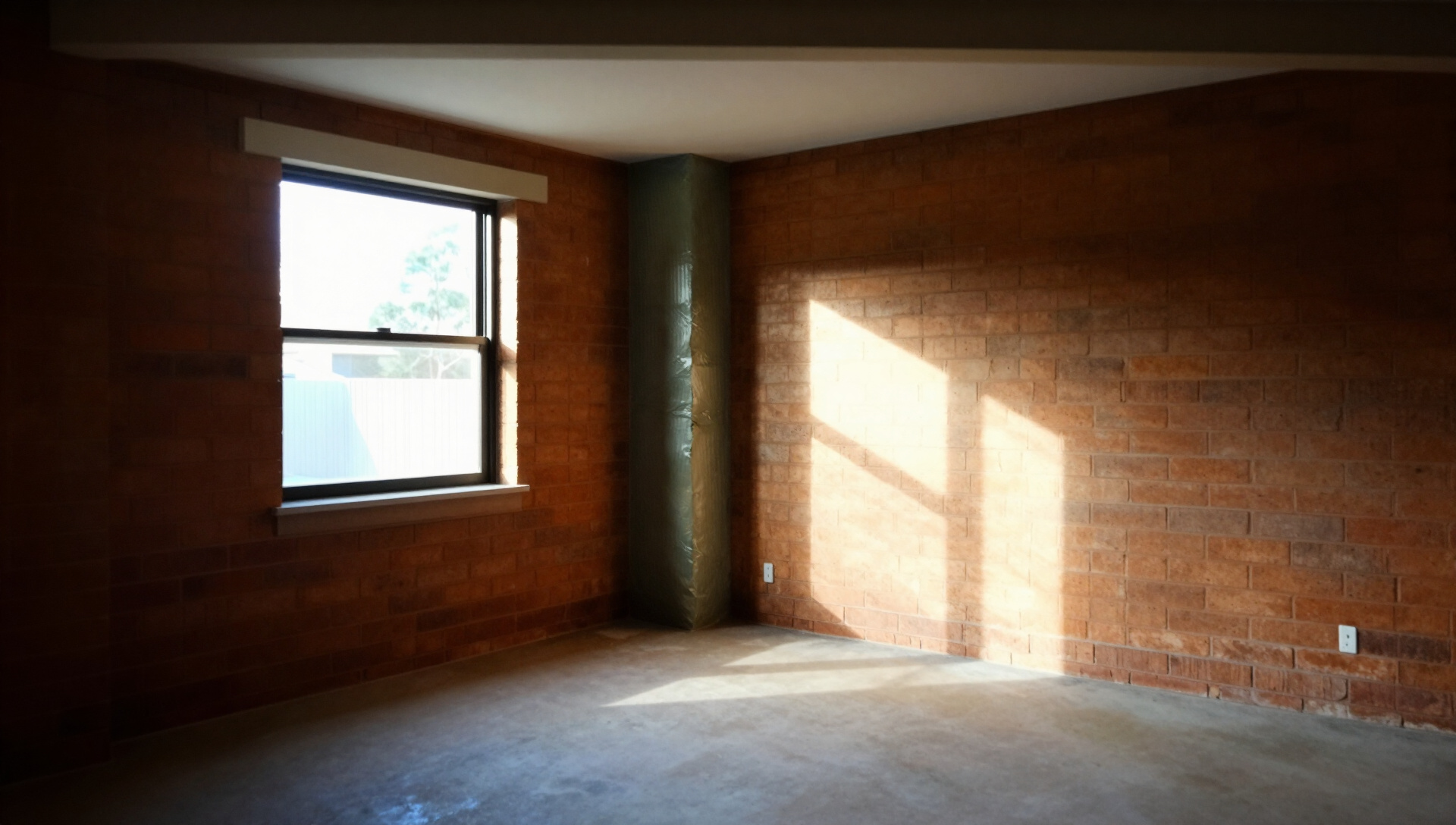
Hoppers Crossing has many brick veneer homes built from the 1960s onwards. Without insulation in the wall cavity, these houses lose heat rapidly in winter and overheat in summer. Cavity wall insulation addresses this by adding a thermal barrier that works with your existing ceiling insulation to stabilise indoor temperatures.
By slowing heat transfer through the walls, your heater and air conditioner run less often. Homeowners in Hoppers Crossing typically notice reduced energy bills within the first season after installation.
The insulation reduces cold spots near external walls and limits the impact of hot northerly winds in summer. Rooms stay warmer in winter and cooler in summer without relying solely on heating and cooling systems.
Uninsulated cavities allow air movement that creates draughts and dust entry. Cavity wall insulation seals these paths, improving comfort and indoor air quality in your Hoppers Crossing home.
The process is completed from the outside of the house. No internal walls or plaster need to be removed, and the small access holes are colour-matched to your brickwork for a neat finish.
Ceiling insulation alone cannot stop heat loss through walls. Cavity wall insulation complements it by addressing the second major path of heat transfer in brick veneer homes.
An on-site inspection checks wall type, cavity width and moisture levels to confirm suitability. Most Hoppers Crossing brick veneer homes built after the 1960s are good candidates for this solution.
The installation is a clean, external process that typically takes one day for an average Hoppers Crossing home. Here is what to expect from start to finish.
A technician checks the wall construction, cavity width and condition of the brickwork. They also look for signs of moisture or structural issues that could affect the installation. This step confirms whether cavity wall insulation is suitable for your home.
The exterior walls are prepared by clearing any obstacles and protecting nearby surfaces. Small holes, about 10-15mm in diameter, are drilled into the mortar joints at regular intervals to access the cavity.
Using specialised equipment, the insulation material is injected into the cavity through the holes. The material expands to fill the gap completely, ensuring no voids or gaps that could reduce performance.
Once the cavity is filled, the holes are sealed with a colour-matched mortar to blend in with the existing brickwork. The site is left clean, with all debris removed from your property.
Hoppers Crossing has a high concentration of brick veneer homes, many built during the post-war and 1960s to 1990s housing booms. These properties often lack wall insulation, leading to poor thermal performance and higher energy use. Cavity wall insulation is a practical upgrade that improves comfort without the cost and disruption of internal wall lining removal. Nearby suburbs like Tarneit and Werribee share similar housing stock, making this solution widely applicable across Melbourne’s western growth corridor.
Expert Insulation Melbourne provides cavity wall insulation for brick veneer homes in Hoppers Crossing, Tarneit and Werribee.
Homeowners in Hoppers Crossing often have questions about how cavity wall insulation works, whether their home is suitable and what the process involves. Here are the most common queries we address.
Cavity wall insulation in Hoppers Crossing is a cost-effective way to enhance the thermal performance of brick veneer homes. Without insulation in the wall cavity, heat escapes rapidly in winter and enters just as quickly in summer, forcing heating and cooling systems to work harder. By filling the cavity with insulating material, you create a barrier that slows this heat transfer, leading to more stable indoor temperatures and lower energy bills.
Hoppers Crossing experiences cold winters and hot summers, with temperature swings that can strain household budgets. Brick veneer walls, common in this suburb, are particularly prone to heat loss and gain due to their hollow construction. Cavity wall insulation directly addresses this issue by adding thermal resistance where it is needed most. The process is non-invasive, with installation completed from the exterior of the home, minimising disruption to your daily routine.
Not all homes are suitable for cavity wall insulation. An on-site inspection is essential to assess the wall type, cavity width and moisture levels. If the existing wall contains asbestos or other hazardous materials, work stops until a qualified assessor inspects it. For most brick veneer homes in Hoppers Crossing, however, cavity wall insulation is a straightforward and effective upgrade that delivers long-term comfort and savings.
Reduce heat loss and energy costs with cavity wall insulation for your Hoppers Crossing home. Call Expert Insulation Melbourne on 0399695249 or email info@expertinsulationmelbourne. com. au to arrange an inspection and quote.